Category: Stories

  • This is what you should do if you want to release your music

    This is what you should do if you want to release your music

    If your goal is “Release,” you are about to take a step into becoming an artist with a product. And we applaud that, because your music should be heard by others. But in order to maximize your release, when it comes to your song, you should use this tool to do so.

    Because Masterchannel is the bridge between a “good demo” and a “professional release.” And artists use Masterchannel for several reasons:

    • Distribution Without the Guesswork: With Masterchannel, you can optimize your audio specifically for the normalization algorithms used by Spotify, Apple Music, Deezer, and Tidal.

    • Professional Polish: Many artists comes to a point where they become anxious about their release not “being too loud enough”. When using Masterchannel, you can be confident that your song will meet industry standards when you hit upload tthrough your preferred distribution platform.

    • Cost-Effective Career Growth: Ensuring your quality on a track can be expensive, and you can easily use $100 per song. But with Masterchannel, you can get professional audio quality for a fraction of that cost, with unlimited amount of masterings! This means rather than spending a lot of money on engineering, you can use that money to build your brand and on tools that allows you to be more creative.

    So if you plan on releasing your songs, don’t sleep on using Masterchannel to make sure that it sounds it’s best when it is being released!

  • Achieving Perfect Audio Quality for Tech House & House

    Achieving Perfect Audio Quality for Tech House & House

    In the world of Tech House, producers producing that genre is relying more and more on Masterchannel as their tool for mastering their music. And the main reason is because the engine understands the importance of Tech House & House music, and how to best optimize it.

    Two of the founders of Masterchannel, Christian Ringstad Schultz and Tom Stræte Lagergren comes from the electronic scene and know what is needed to create a song that truly make the dancefloor shake!

    But going back to Tech House & House Music, Masterchannel provides som key advantages when used to master music:

    • Low-End Governance: The biggest struggle in home studios is translating sub-bass to a big system. The mastering engine from Masterchannel is tuned to balance kick-drum weight with bassline clarity. This means that you can trust that your song will be sounding good when played out live, and that it will be good to use when transitioning to other songs.

    • The “Reference” Standard: Our AI analyzes your unique song to ensure your master hits the loudness levels required to stand up against the biggest labels in the scene. And when it comes to loudness levels, you should not aim for a specific one.

    • Instant Iteration: If you need to hear how that new synth lead sits in a mastered environment before your gig, then Masterchannel is the tool for you. You can upload as many versions you’d like, and use Masterchannel as a Co-Pilot, guiding your mix to perfection. And it takes less time than grabbing a cup of coffee!

    If you’re keen on improving your Tech House & House productions, Masterchannel should be your go-to solution.

  • Why Established Producers are Integrating AI into Their Final Chain

    Why Established Producers are Integrating AI into Their Final Chain

    For the established producer working in Ableton or Logic, time is the only resource you can’t automate. Whether you’re finishing a Tech House floor-filler or a nuanced Folk record, the “last 5%” of the process often takes 50% of the energy. But there’s a solution to this, that will help speed up this process so you as a producer can focus more on what matters: Creating.

    That solution is Masterchannel, a mastering service that automatically ensures your track sounds as good as possible. And there are some key benefits using Masterchannel:

    • Competitive Edge: Masterchannel gives you the technical precision required for modern streaming, ensuring your transients remain intact while achieving the loudness levels needed when releasing your songs to major platforms like Apple Music, Spotify, Tidal and Deezer.

    • The Hybrid Workflow: You should not view AI as a replacement, but more as a high-fidelity utility. With Masterchannel you can A/B test your manual masters and ensure that all your songs in an EP, Album or catalogue sounds consistent across the different songs.

    • Reliability: Masterchannel been around for some years now and has become the “silent partner” for established producers who need high-standard results on every track they produce. Whether the goal is release, sending a demo to friends or a label, or just to listen for yourself, this tool will help you achieve a top quality mastered song.

    Masterchannel are currently mastering close to 100,000 songs every month, so do as other producers and ensure your audio quality with Masterchannel:

  • The top 20 most popular genres for music producers!

    The top 20 most popular genres for music producers!

    The question of which genres are most popular is an everlasting one, and a topic that sparks endless debate among friends, families, and music industry professionals. While there may not be one definitive answer (since it ultimately depends on which metrics you use), we’ve decided to create a list based on our own data. Here, we analyzed the data from tens of thousands of creators using Masterchannel to see what genres producers actually produce these days.

    To help you settle the debate, or simply to help you win your next argument, here are the top 20 most popular genres by Masterchannel users, along with the specific elements producers focus on to get that professional sound:

    1. Hip Hop: People producing Hip Hop often focuses on finding a “hooky” melodic sample and engineering the drums to have enough “knock” to command attention without burying the rapper’s lyrics.

    2. Pop: Producers obsess over the “vocal chain” and top-line melody, ensuring the singer sounds polished and that there is a new ear-catching element every three to four seconds.

    3. Trap: The priority is the “808-vocal relationship,” where the bass is tuned like an instrument to provide the melody while the hi-hats create a sense of frantic energy that drives the crowd.

    4. Rock: Artists focus on the “room sound” and the chemistry between live instruments, aiming to capture a performance that feels high-voltage and physically present.

    5. African: Producers prioritize the “poly-rhythmic conversation,” where multiple percussion instruments “talk” to each other in different keys, to create a groove that feels communal and ancient.

    6. Afrobeat: The focus is on the rhythmic groove arrangement, meticulously layering different “organic” instruments and interlocking plucks that can sustain a ten-minute hypnotic groove.

    7. R&B: Artists obsess over “vocal stacking” and lush, complex harmonies, aiming to create a silky, intimate atmosphere that feels like a late-night conversation with your chosen one.

    8. Afro House: The goal is a “spiritual pulse,” blending the mechanical precision of house with organic, ritualistic percussion to move both the feet and the mind.

    9. EDM: Producers focus on “energy management,” spending hours on the build-up and the drop to ensure maximum physical impact on a festival-sized sound system.

    10. Asian Pop: Artists often focus on “sonic hybridity,” balancing ultra-modern digital production with traditional tonal scales or regional instruments to honor heritage within a modern context.

    11. Indie Rock: The focus is on “character over perfection,” often leaving in “happy accidents” or raw edges to prove the music was made by real people in a real room.

    12. Ambient: Producers focus on “timbral evolution,” creating sounds that morph so slowly the listener loses their sense of time and becomes immersed in the texture.

    13. Heavy Metal: Artists focus on “precision and power,” ensuring that even with extreme distortion, the kick drum and guitars are perfectly synchronized for a “wall of sound” effect.

    14. House: The priority is the “DJ-friendly groove,” focusing on a rock-solid 4/4 kick and a “pumping” side-chain effect that keeps a dance floor in a continuous state of motion.

    15. Afropop: Producers focus on “the bounce,” creating a light, syncopated rhythm (often led by a shaker) that makes the track feel effortless and sunshine-ready.

    16. Indie Pop: The focus is on “quirky intimacy,” blending bedroom-style DIY aesthetics with bright, catchy melodies that feel personal and relatable.

    17. Folk: Artists prioritize “the story and the wood,” focusing on a transparent recording of the voice and acoustic guitar to maintain a “sitting across from you” feeling.

    18. Experimental: The goal is “defying expectation,” where artists intentionally break production rules, like using glitchy noise as a melody, to provoke a reaction.

    19. Electro: Producers focus on “the machine aesthetic,” leaning into the cold, robotic precision of vintage synthesizers and vocoders to create a “digital” atmosphere.

    20. Cinematic: The focus is on “dynamic scale,” using a wide range of volume and orchestral layers to guide the listener’s emotions through a specific visual narrative.

    Whether you are producing hits in one of these top 20 genres or carving out your own unique niche, your music deserves to be heard at its best. Make sure your latest track sounds as professional as possible by using Masterchannel to automatically enhance your production quality instantly.

  • How To remaster Your Song in 2026 with Masterchannel

    How To remaster Your Song in 2026 with Masterchannel

    In 2026, music is no longer “finished” the moment you hit export. With the rapid evolution of streaming algorithms, the rise of spatial audio, and shifting loudness standards, a master that sounded perfect two years ago can quickly start to feel like a relic.

    That’s why you should be treating your catalog as a living document and how tools like Masterchannel can help do that in a simple and quality-sounding way!

    For years, the goal was simple: make it loud. But in 2026, streaming platforms like Spotify, Apple Music, and Tidal have refined their Loudness Normalization engines.

    • The Risk: If your old master is “too hot” (over-compressed), platforms will turn it down, leaving your song sounding thin and flat compared to dynamic modern tracks.

    • The Fix: Modern remastering, like using Masterchannel, allows you to re-target and adjust your LUFS levels, so your song will sound it’s best when re-released.

    Listener hardware changes faster than we think. In 2026, the average listener is using high-fidelity wireless earbuds more often than a Hi-Fi system. And your music needs to be adapted to that.

    • Bass Translation: Older masters often lack the sub-frequency clarity required for modern playback systems. A remaster can tighten the low end so it thumps on a club system without “muddying” a pair of AirPods.

    • High-End Sparkle: Modern ears are accustomed to a “crisper” top end. Remastering allows you to add that 2026 “air” to your vocals and percussion without re-recording a single note.

    Streaming algorithms in 2026 are sensitive to listener retention. If a user is listening to a 2026 Pop playlist and your 2021 track comes on sounding significantly quieter or “boxier” than the surrounding songs, they are more likely to skip.

    • Frequent remasters ensure your older songs “fit in” sonically with current hits, reducing skip rates and keeping your catalog favored by the algorithm.

    While traditional remastering used to take weeks of back-and-forth, Masterchannel has streamlined the process for the 2026 landscape.

    1. Upload Your Original Mix: Take your high-res WAV file (even from a 5-year-old session).

    1. Let Masterchannel enhance it: Wait for 2-3 minutes untill your song is renewed and polished for a more crisp and polished sound.

    1. A/B Comparison: Use the “Loudness Match” feature to hear exactly how the remaster improves the tone and clarity, not just the volume.

    1. Release and Update: Swap out your old audio files on your distribution platform to give your existing fans a fresh experience.

  • Behind the Beats: How Matoma, Armin van Buuren, and Teddy Swims Created “Easy To Love”

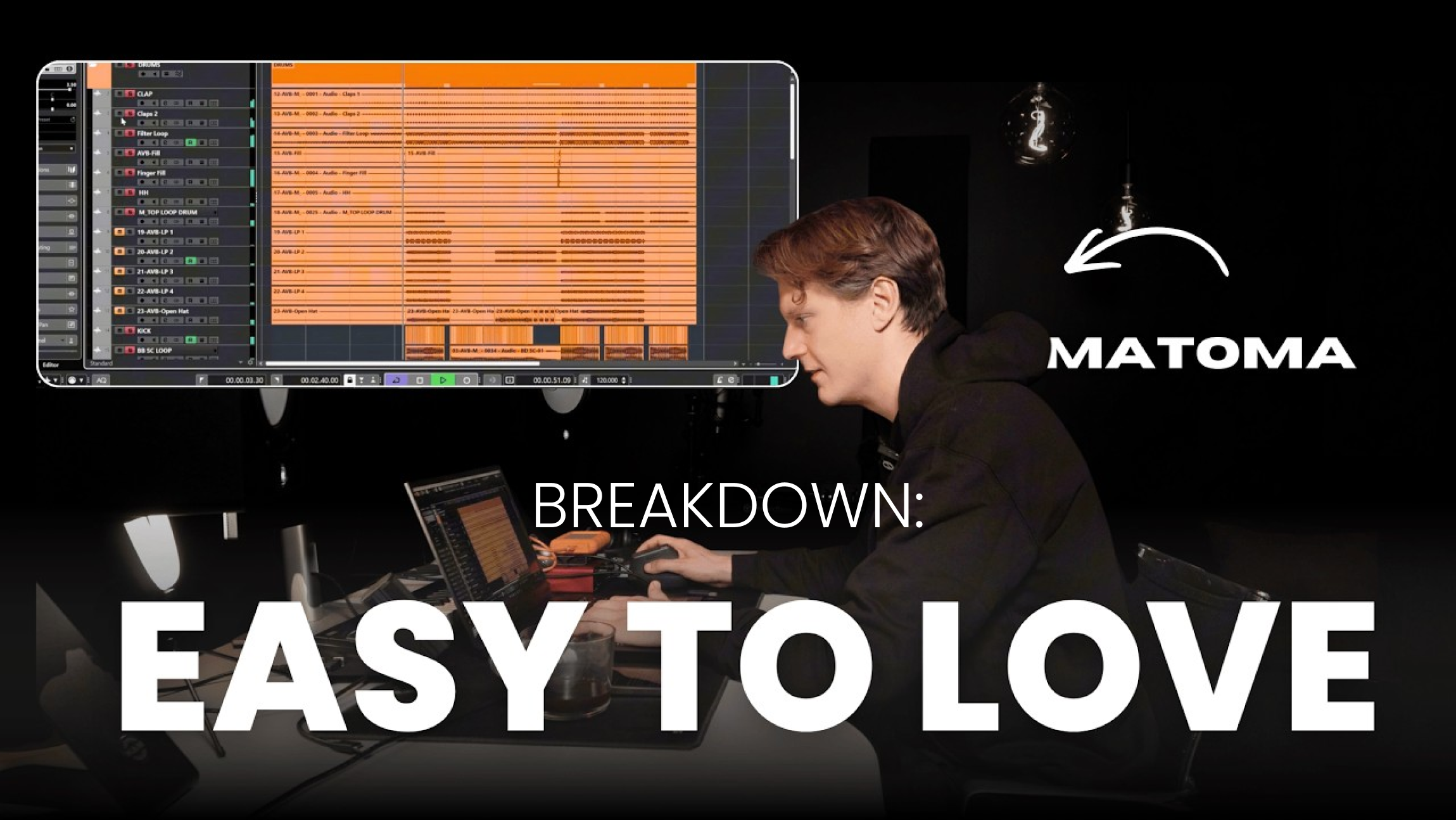
    Behind the Beats: How Matoma, Armin van Buuren, and Teddy Swims Created “Easy To Love”

    When you combine maybe ‘the‘ trance legend Armin van Buuren, a world-famous powerhouse vocalist like Teddy Swims (boasting nearly 45 million monthly Spotify listeners), and Norway’s own melodic mastermind Matoma, you get more than just a collaboration, you get a global hit, which they showcased two years ago.

    Released in 2024, their track “Easy To Love” has already surpassed 60 million streams on Spotify. But for the producers and musicians watching from the sidelines, the burning question remains: How did they produce it? And how can I do the same?

    Tom Stræte Lagergren, better known as Matoma, is pulling back the curtain on how the song came alive. In an exclusive breakdown, the Norwegian producer dives deep into the stems and the creative process that brought this star-studded track to life alongside Armin and Teddy.

    Beyond his hits, Matoma is also a co-founder of Masterchannel, the leading AI-mastering service designed to give bedroom producers the same polished, professional sound as the industry’s biggest stars.

    Watch the full “Easy To Love” production breakdown below:


    Ready to take your own production to the next level? You don’t need a million-dollar studio to sound like a pro. Masterchannel offers world-class AI mastering used by artists globally to ensure their tracks are radio-ready with just one click.

  • The DAWs Powering the 2026 Grammy Nominees and Winners

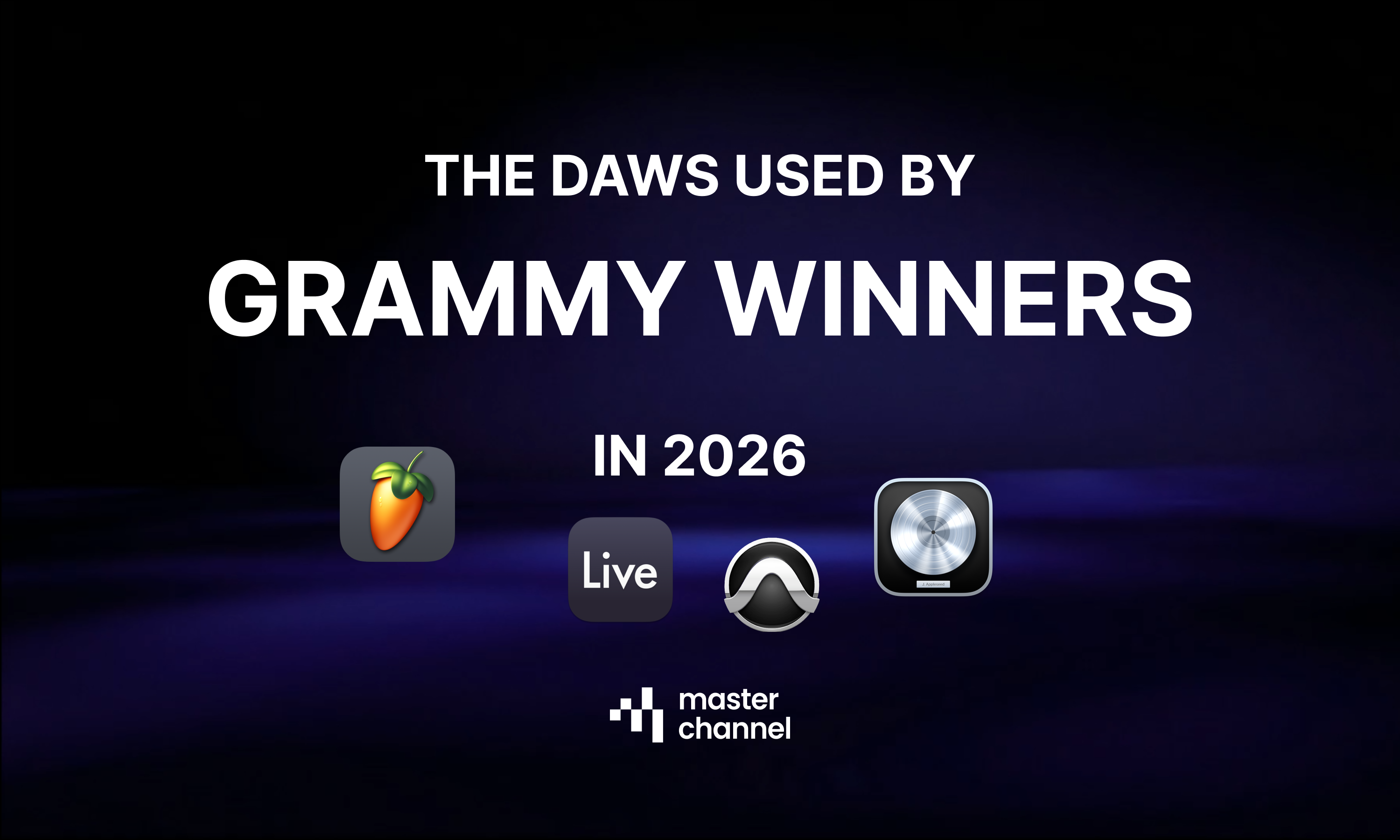
    The DAWs Powering the 2026 Grammy Nominees and Winners

    Every year, the music industry gathers for the Grammys to celebrate the best in sound, but for all us producers, what we want to know is: “What software did they use?”

    If you’re looking for a single “magic” DAW that guarantees a golden gramophone, you won’t find it. Instead, you’ll find a sophisticated ecosystem where different tools serve different parts of the creative journey. Here is the breakdown of how the world’s top artists are building their award-winning records.

    The “DNA” of a hit is usually born in more creative-friendly environments.

    • Logic Pro (The Songwriter’s Choice): Favored by powerhouses like Finneas and Pharrell, Logic Pro is the “all-in-one” workhorse. Its vast library of virtual instruments allows artists to go from a blank screen to a full arrangement in hours.

    • Ableton Live (The Sound Designer’s Playground): For nominees in the Dance and Alternative categories, Ableton is the weapon of choice. Its ability to warp audio and manipulate samples in real-time makes it a favorite for “vibe” heavy producers like Fred again.. or Skrillex.

    • FL Studio (The Hitmaker’s Secret): Don’t let its “loop-based” reputation fool you. FL Studio is the engine behind some of the biggest Hip-Hop and Pop records on the charts. Its lightning-fast drum sequencing has made it the primary home for producers like Metro Boomin, Avicii and more.

    The most interesting trend among 2026 nominees isn’t the use of one DAW, but the hybrid workflow. Modern hits are digital nomads. A track might start as a drum loop in FL Studio, have synths added in Ableton, record vocals in Logic, and finally be “delivered” to a professional mixer to be polished in Pro Tools or potentially Masterchannel.

    The Takeaway: The Grammy isn’t in the software; it’s in the workflow. The pros use the tool that removes the most friction between their idea and the speakers.

    If you want to…Try this DAW
    Compose and write pop songsLogic Pro
    Produce Electronic or experimental musicAbleton Live
    Make fast Hip-Hop or Trap beatsFL Studio
    Engineer, mix, and master like a proPro Tools or Masterchannel (Mastering)

    No matter which Digital Audio Workstation you choose, there’s one critical final step that separates a great mix from a truly commercial-ready track: mastering.

    This is where Masterchannel steps in. As the leading solution for AI-powered mastering, Masterchannel offers an intelligent, intuitive, and professional-grade mastering experience. Masterchannel bridges the gap between your creative vision and a commercially viable product, ensuring your music sounds its absolute best, ready to compete with Grammy-winning tracks.

  • The Producer’s Final Mile: A Checklist for Pro Results

    The Producer’s Final Mile: A Checklist for Pro Results

    The difference between an amateur demo and a commercial release isn’t usually the gear, it’s the discipline of the workflow. Before you call a track “done,” there are technical benchmarks that must be met to ensure your music survives the journey to streaming platforms:

    • Headroom Management: Avoid “clipping” your master fader. Aim for $-6dB$ of peak headroom so there is space for the mastering process to work its magic.

    • Stereo vs. Mono: Check your mix in mono. If your lead synths or wide guitars disappear, you have phase cancellation issues that will ruin the song on club systems or phone speakers.

    • Frequency Balance: Ensure your kick and bass aren’t fighting for the same 30Hz – 100Hz space. Use sidechaining to let the kick punch through.

    You’ve done the hard work of writing, mixing, and troubleshooting. The “Final Mile” is where Masterchannel takes over. Instead of struggling with a complex chain of limiters and imagers on your master bus, you can upload your mix to Masterchannel and get an objective, world-class result in seconds. It acts as a final quality control, fixing minor frequency imbalances and ensuring your track meets the rigorous loudness standards of Spotify, Apple Music, and Tidal.

  • The Vocal Architect: Sculpting Clarity and Presence

    The Vocal Architect: Sculpting Clarity and Presence

    In almost every genre, the vocal is the most important element, but it’s also a frequency hog. To get a vocal to sit perfectly, you have to be gentle with your EQ. Professional vocal mixing involves targeting specific “problem zones” that occur in almost every recording:

    • The Mud Zone (200Hz – 500Hz): Cutting here removes that “boxy” sound that makes a vocal feel like it was recorded in a closet.

    • The Nasal Zone (1kHz – 2kHz): A small dip here can make a harsh voice sound smoother and more expensive.

    • The Air Zone (10kHz+): A subtle high-shelf boost provides that “expensive” shimmer found on professional pop records.

    A common frustration is having a vocal sound great in the mix, only to have it get “buried” once the track is mastered. Masterchannel is built to prioritize vocal presence. Our engine analyzes the mid-range clarity of your track, ensuring that the “space” you carved out for your lyrics remains intact. The result is a master where the vocals feel “expensive” and sit right at the front of the stage, regardless of the playback system.

  • Precision Dynamics: A Guide to Transparent Compression

    Precision Dynamics: A Guide to Transparent Compression

    Compression is the “invisible hand” of music production. At its core, it’s about reducing the dynamic range, the distance between the quietest and loudest parts of a sound, to create a consistent, powerful energy.

    Whether you’re working on a drum bus or a lead vocal, understanding the four pillars of compression is vital:

    • The Threshold & Ratio: These determine when the compressor “kicks in” and how aggressively it reduces the volume. A 2:1 ratio is gentle for glue, while 10:1 starts moving into limiting territory.

    • Attack & Release: This is where the “groove” is born. A slow attack lets the initial “thwack” of a snare drum through, while the release determines how quickly the volume returns to normal, affecting the “pump” of the track.

    Many home producers “over-compress” their master fader because they are chasing loudness, which often results in a flat, lifeless mix. To avoid this, keep your mix dynamics clean and let Masterchannel handle the final polish. Our automated mastering service uses sophisticated algorithms to apply transparent limiting and multiband compression. It gives you that competitive “radio volume” while preserving the punch and “snap” of your original transients.