Author: christian@masterchannel.ai

  • How to Use Masterchannel as a Reference Tool When Mixing and Mastering

    How to Use Masterchannel as a Reference Tool When Mixing and Mastering

    Using reference tracks is a proven way to improve your mixes and masters. But instead of relying on other artists’ songs, why not use your own professionally mastered tracks?

    With Masterchannel, you can easily reference your previous masters to stay consistent and elevate your sound. Here’s how:

    Upload your music in Masterchannel and listen to the track to hear what you like and don’t like after it has been mastered. This can e.g. be that the bass is perfect, but the vocal is a bit too loud.

    Go back to your DAW and changed what you feel like is needed after listening to the first mastered version. Export the new mix and upload it to Masterchannel again.

    Listen critically to how your new mix compares to your previous masters in terms of:

    • Loudness and punch
    • EQ balance (bass, mids, highs)
    • Stereo width and depth
    • Vocal clarity and placement

    If you like the more subjective parts, then you can be assured that Masterchannel fixes all the technical requirements – so you’re song is ready to be shared and / or distributed.

    Referencing your own music helps:

    • Maintain a cohesive sound across releases
    • Improve mix decisions
    • Develop your signature style
  • Why Top Music Distribution Companies Are Choosing Masterchannel for AI Mastering

    Why Top Music Distribution Companies Are Choosing Masterchannel for AI Mastering

    In today’s fast-paced music industry, artists expect instant, professional sound—without leaving their favorite platforms. That’s why leading music distribution companies are turning to Masterchannel, the AI mastering engine trusted by Grammy-winning engineers and white-labeled by major platforms.

    Masterchannel lets music tech platforms offer studio-quality mastering natively, without building a tool from scratch. With a simple API integration, distribution companies can give their users instant access to professional-grade audio enhancement, fully branded within their own platform.

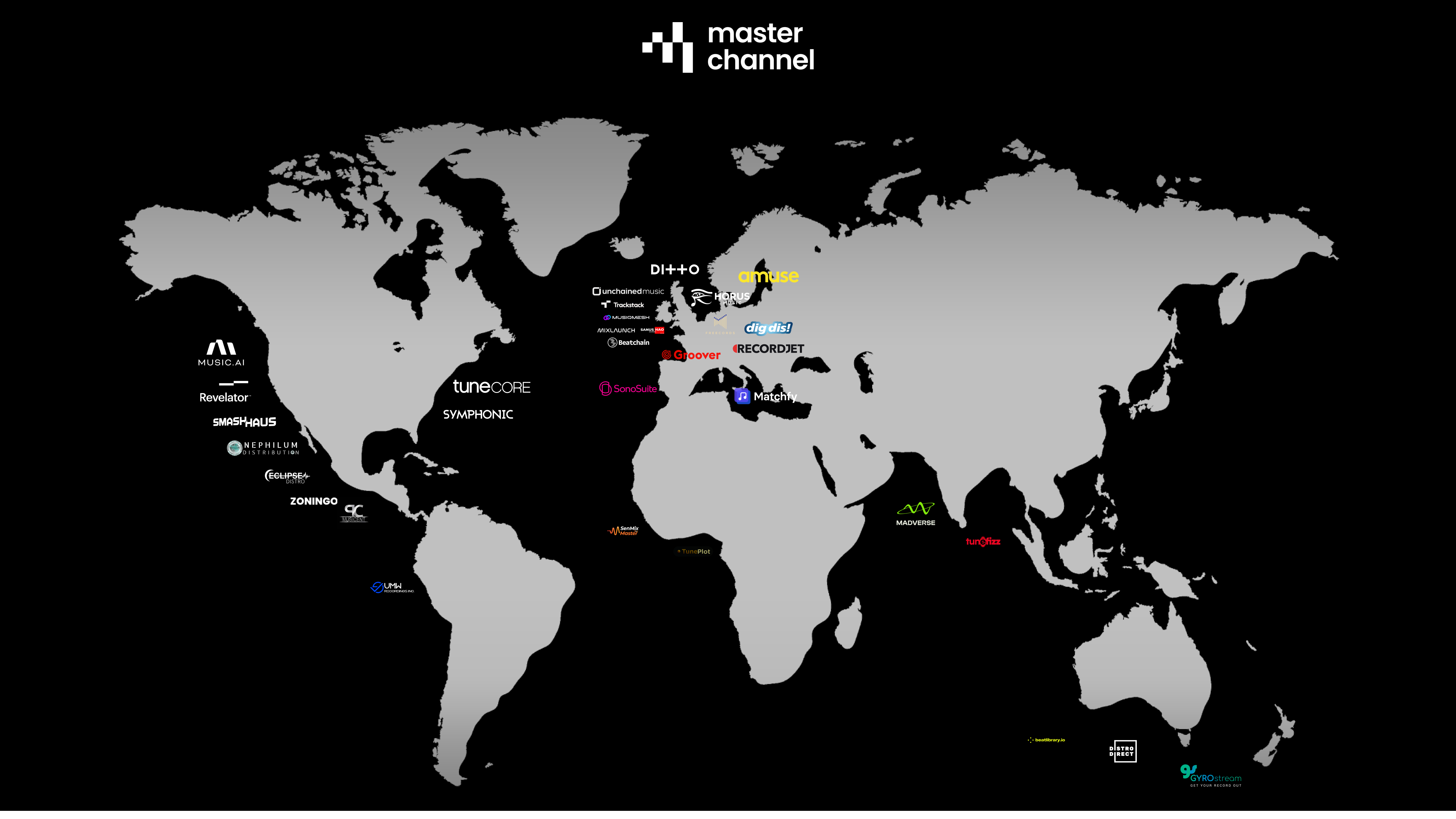
    Top distributors and music platforms across the globe use Masterchannel to power their own mastering services, including:

    • Tunecore
    • Ditto Music
    • Symphonic
    • amuse
    • Revelator
    • GYRO Stream
    • SonoSuite
    • RecordJet
    • Groover
    • Horus Music

    These companies chose Masterchannel for its scalable infrastructure, broadcast-ready quality, and ability to boost artist satisfaction and retention.

    • Instant mastering results with no compromise on quality
    • Seamless white-label integration via API or custom UI
    • Higher revenue per artist with zero extra dev overhead
    • Clear, competitive A/B comparisons
    • Global-ready with support for all formats and languages

    You can easily test out Masterchannel by click the button down below:

  • How to Remix Any Song Using Samples and Masterchannel’s AI

    How to Remix Any Song Using Samples and Masterchannel’s AI

    In this video, Christian Ringstad Schultz demonstrates how to transform a song into a fresh remix by combining samples with the power of Masterchannel’s AI mastering technology. Using smart tools like Tunebat and LALAL.AI alongside Masterchannel, Christian shows how remixing can be simple, creative, and professional-sounding.

    Christian begins by choosing a song and using Tunebat to find the original track’s BPM (tempo) and key. This ensures the remix stays harmonically aligned and rhythmically tight.

    Next, he uses LALAL.AI, an AI-powered vocal isolation tool, to separate the vocals from the instrumental. This clean vocal track is essential for remixing and gives flexibility to rearrange or process the vocals independently.

    With vocals isolated and the key and BPM known, Christian creates a new instrumental backing using FL Studio (DAW), combining samples and the isolated vocals for a fresh, dynamic remix.

    Finally, the remix is refined with Masterchannel’s AI mastering, delivering a radio- and streaming-ready track that sounds clear and balanced—trusted by Grammy-winning engineers and major platforms worldwide.

    Masterchannel, combined with tools like Tunebat and LALAL.AI, empowers producers to remix songs effortlessly while maintaining top-notch audio quality. Watch Christian’s step-by-step video to see how these technologies come together to create standout remixes.

  • 🎧 Inside Masterchannel’s Tech Stack: How We Built a Scalable AI Mastering Platform

    🎧 Inside Masterchannel’s Tech Stack: How We Built a Scalable AI Mastering Platform

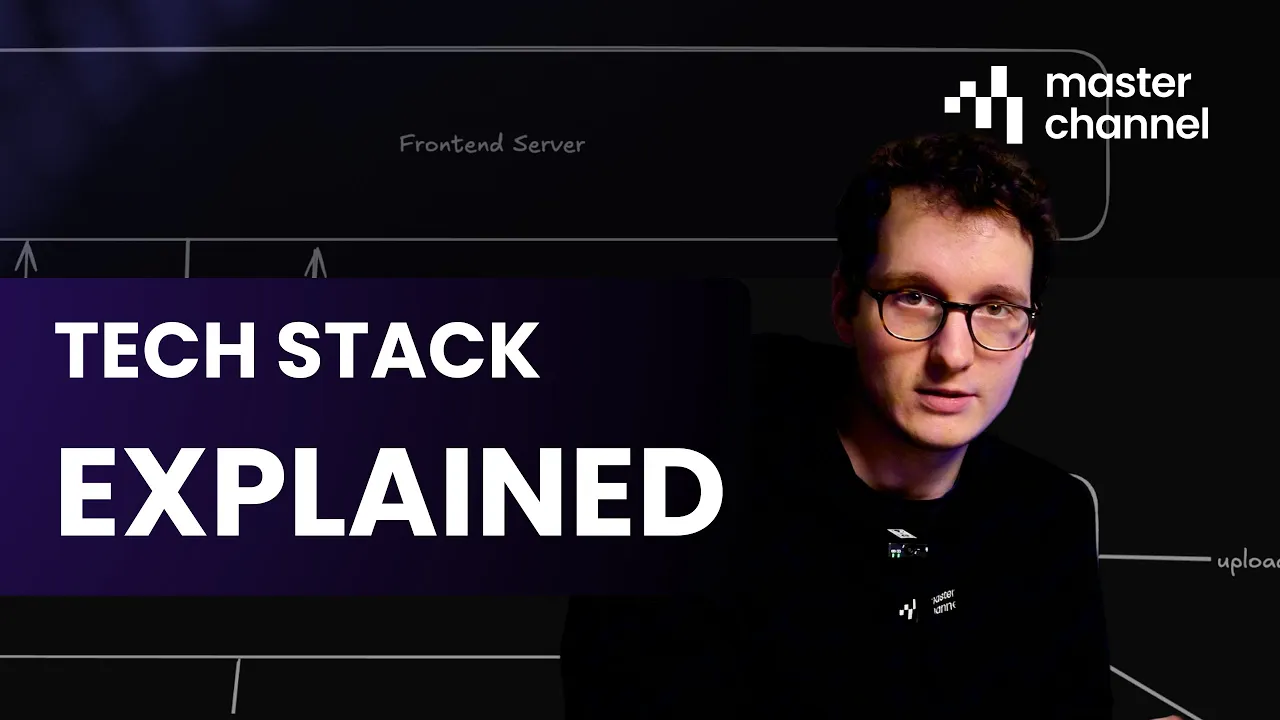
    Curious how Masterchannel delivers fast, reliable AI mastering at scale? In our latest YouTube video, Simon, co-founder of Masterchannel, breaks down the full tech stack powering our automated audio mastering platform.

    Our platform combines cutting-edge AI with a future-proof, maintainable infrastructure designed to serve tens of thousands of users worldwide — anytime, anywhere.

    For anyone interested in AI mastering technology or scalable automated audio mastering solutions, this video is a must-watch.


  • Master Your Music Before TikTok & SoundCloud: Why Artists Need Masterchannel

    Master Your Music Before TikTok & SoundCloud: Why Artists Need Masterchannel

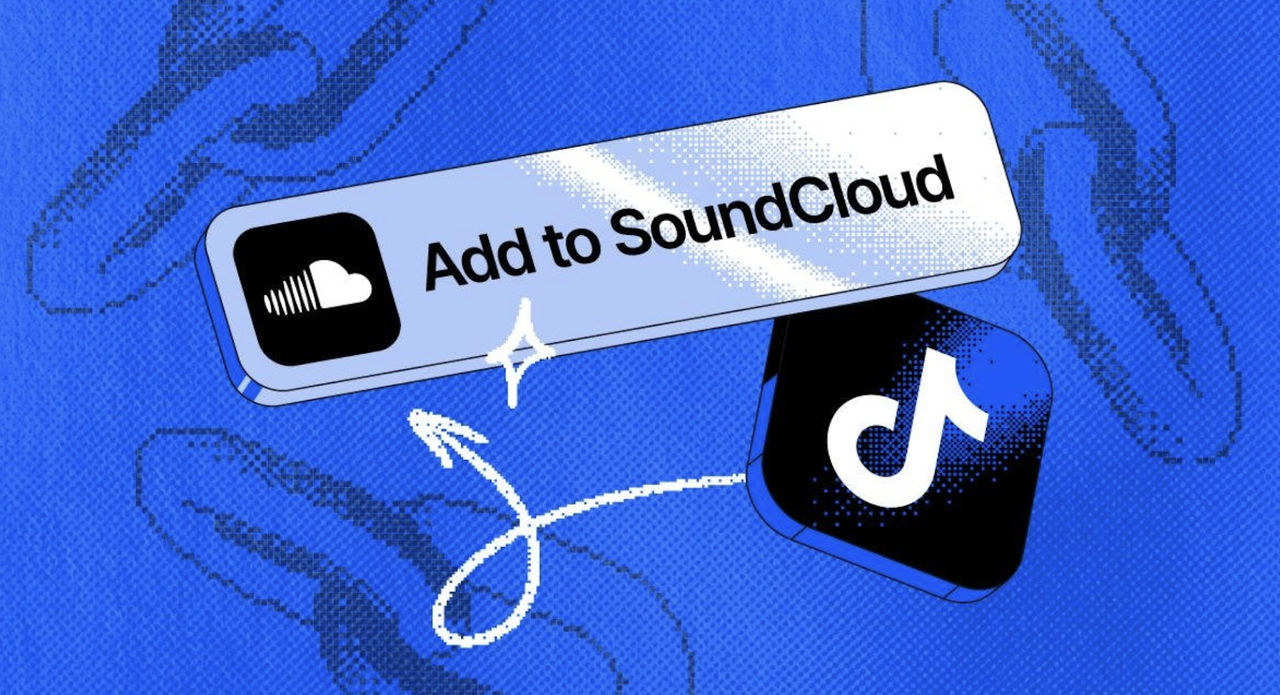
    With TikTok and SoundCloud’s new integration, fans can now save songs from TikTok directly to their SoundCloud playlists. For artists, this is a huge opportunity to get discovered—but only if your music sounds professional.

    That’s where Masterchannel comes in.

    Unmastered tracks can sound dull, quiet, or unbalanced—especially on mobile platforms like TikTok. If you want your song to catch attention and perform well, mastering is essential.

    Masterchannel uses powerful AI to master your track in minutes—no engineers, no guesswork, just polished, professional sound that’s optimized for TikTok, SoundCloud, and every major streaming platform.

    • 🎧 Louder, clearer sound that stands out on TikTok
    • 📱 Optimized for mobile playback and streaming platforms
    • 🚀 Fast, affordable mastering with professional results

    Before uploading to SoundCloud, master your track with Masterchannel. Your music deserves to sound its best—especially when it might go viral on TikTok.

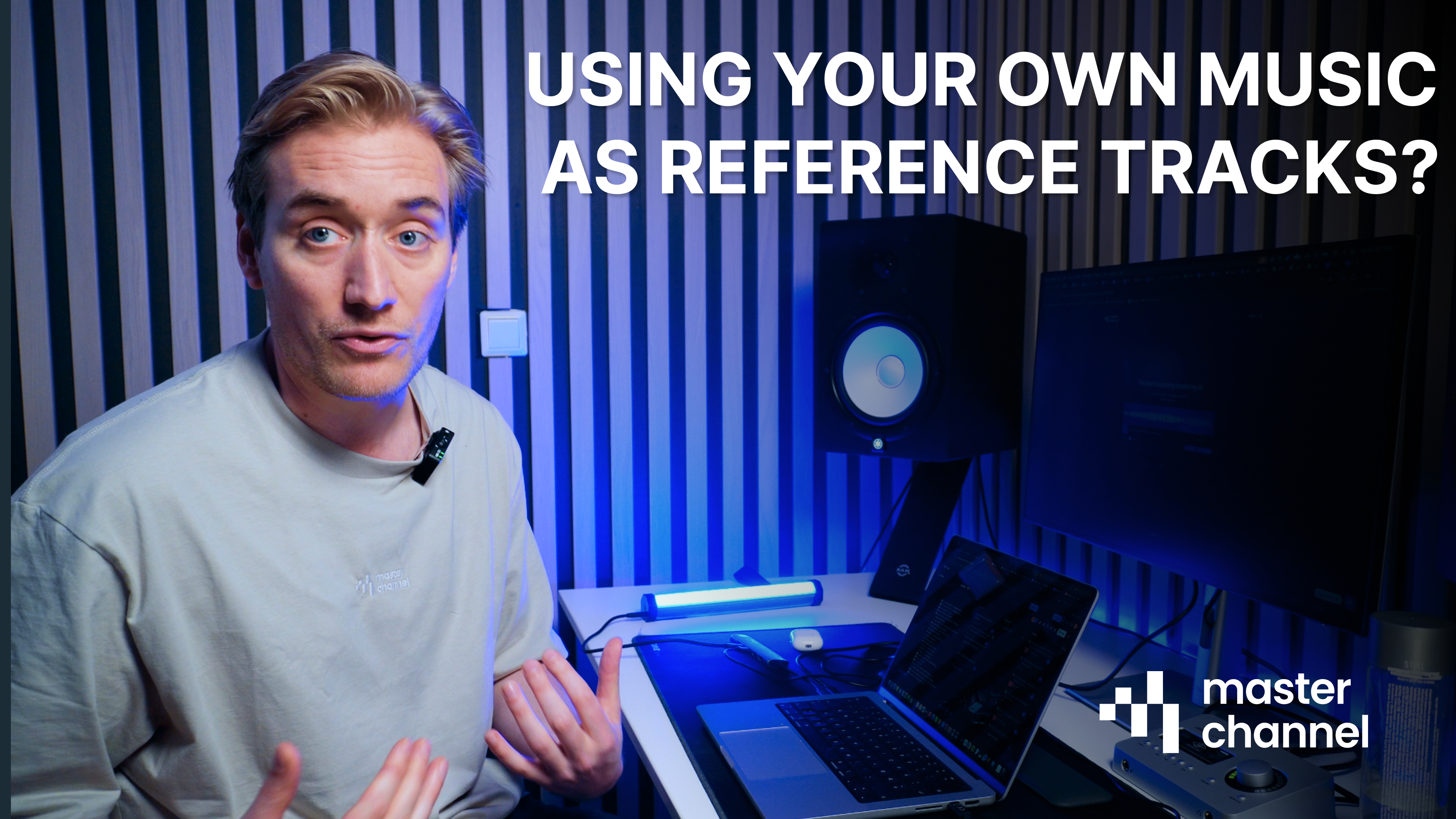
  • How to Use Your Own Music as Reference Tracks When Mastering (with Masterchannel)!

    How to Use Your Own Music as Reference Tracks When Mastering (with Masterchannel)!

    • Consistency: Keep the same sonic identity across singles, EPs, or albums.
    • Speed: You already know what worked.
    • Clarity: Compare your mix to a finished version in your style and genre.

    Pick a song
    Choose one of your songs and upload it to Masterchannel

  • Top Music Genres Dominating Instagram and TikTok in 2026

    Top Music Genres Dominating Instagram and TikTok in 2026

    Social media platforms like Instagram and TikTok have revolutionized the music industry, providing artists with unprecedented opportunities to reach global audiences. Certain music genres have particularly thrived on these platforms, becoming integral to viral trends and user-generated content.​

    In this post, we’ll explore the music genres that are currently making waves on Instagram and TikTok, and how artists can leverage this popularity.​


    Instagram and TikTok have become pivotal in music discovery and promotion. Short-form videos paired with catchy tunes often lead to viral challenges, dances, and memes, propelling songs to global recognition.​

    Key Factors Contributing to Music Virality:

    • Engaging Beats: Rhythms that encourage dancing or movement.​
    • Relatable Lyrics: Words that resonate with a broad audience.​
    • Versatility: Tracks that fit various content themes and moods.​


    Several music genres have found significant success on these platforms:​

    • Electronic Dance Music (EDM): High-energy beats that fuel dance challenges and party scenes.​
    • Pop: Catchy melodies and hooks that are easily memorable and widely appealing.​
    • Hip-Hop/Rap: Rhythmic verses and strong beats that complement diverse content, from dance to storytelling.​
    • Indie: Unique sounds that cater to niche audiences seeking fresh and authentic music.​
    • Latin: Vibrant rhythms like reggaeton that inspire dance trends and cultural appreciation.​


    To capitalize on the popularity of these genres:

    1. Create Platform-Specific Content: Tailor your music and visuals to fit the style and trends of each platform.​
    2. Engage with Trends: Participate in viral challenges or create your own to showcase your music.​
    3. Collaborate with Influencers: Partner with content creators who can introduce your music to their followers.​
    4. Encourage User-Generated Content: Motivate fans to use your music in their videos by creating accessible and relatable tracks.​
    5. Utilize Hashtags: Use relevant and trending hashtags to increase the discoverability of your content.​


    Harnessing the power of Instagram and TikTok can lead to:​

    • Increased Exposure: Reach audiences beyond traditional music platforms.​
    • Viral Success: A single viral video can catapult a song to mainstream recognition.​
    • Direct Fan Engagement: Interact with listeners and build a loyal community.​


    For a visual overview, check out the original YouTube Short:
    👉 These Genres Are Popular on Instagram & TikTok!


    The dynamic nature of Instagram and TikTok offers artists a unique avenue to showcase their music and connect with a global audience. By understanding and tapping into the genres that resonate on these platforms, musicians can enhance their visibility and foster a thriving fanbase.​

  • Compression vs. Automation: Which is Best for Dynamic Control in Music Production?

    Compression vs. Automation: Which is Best for Dynamic Control in Music Production?

    Achieving the perfect balance in your mix requires effective management of dynamics. Two primary tools at a producer’s disposal are compression and automation. Understanding when and how to use each can elevate your tracks from good to exceptional.​

    In this post, we’ll explore the differences between compression and automation, their applications, and best practices for dynamic control.​


    Compression is an audio processing technique that reduces the dynamic range of a signal by attenuating louder parts and amplifying quieter sections. This results in a more consistent and polished sound.​

    Key Parameters of Compression:

    • Threshold: The level above which compression is applied.​
    • Ratio: Determines the degree of compression applied once the threshold is exceeded.​
    • Attack Time: How quickly the compressor responds to signals above the threshold.​
    • Release Time: How quickly the compressor stops compressing after the signal falls below the threshold.​

    Common Uses of Compression:

    • Vocals: To maintain consistent vocal levels throughout a track.​
    • Drums: To add punch and sustain to drum hits.​
    • Bass: To ensure a steady low-end presence.​


    Automation involves manually programming changes to various parameters over time within your Digital Audio Workstation (DAW). This allows for precise control over aspects like volume, panning, effects, and more.​

    Applications of Automation:

    • Volume Rides: Adjusting the volume of specific sections or phrases to enhance musical expression.​
    • Effect Changes: Bringing in reverb, delay, or other effects at particular moments.​
    • Panning Movements: Creating a sense of space and movement by automating panning positions.​


    While both tools control dynamics, their applications differ:​

    • Compression: Best for general dynamic control and consistency. It’s ideal when you need to tame peaks and bring up softer parts without manual intervention.​
    • Automation: Suited for detailed, intentional adjustments. Use automation when specific sections require emphasis or creative effects that compression can’t achieve.​

    Combining Both: Often, a hybrid approach yields the best results. For instance, using compression for overall dynamic balance and automation for nuanced adjustments ensures both consistency and expressiveness.​


    1. Understand the Material: Analyze your track to determine which sections need dynamic control and whether compression or automation is more appropriate.​
    2. Use Compression Transparently: Avoid over-compressing, which can lead to a lifeless mix. Aim for natural-sounding dynamics.​
    3. Automate with Purpose: Every automation move should serve the song’s emotional and dynamic intent.​
    4. Monitor Gain Staging: Ensure that levels remain consistent throughout the signal chain to prevent distortion or unwanted artifacts.​
    5. Trust Your Ears: While tools and meters are helpful, your ears are the ultimate judge of what works best for the track.​


    For a visual explanation, check out the original YouTube Short:
    👉 Compression or Automation?


    Both compression and automation are indispensable tools in music production. By understanding their distinct functions and applications, you can make informed decisions to enhance the dynamic quality of your mixes. Balancing technical precision with creative intuition will lead to more compelling and professional-sounding tracks.​

  • Layering Explained: Elevate Your Music Production

    Layering Explained: Elevate Your Music Production

    In music production, layering is a fundamental technique that can transform a flat track into a rich, dynamic masterpiece. By combining multiple sounds, you can create depth, texture, and a fuller sonic experience.​

    In this post, we’ll delve into the art of layering and how you can effectively incorporate it into your productions.​


    Layering involves stacking multiple sounds or instruments to play simultaneously, creating a composite sound that is more complex and engaging than individual elements. This technique is commonly used to:​

    • Enhance Timbre: Combining different instruments or synths to create a unique sound.​
    • Add Thickness: Making a part of the track, like a lead or chorus, sound fuller.​
    • Create Depth: Adding background elements to provide a sense of space and dimension.​


    Implementing layering thoughtfully can:​

    • Enrich Soundscapes: Craft more immersive and textured tracks.​
    • Highlight Key Elements: Make hooks, melodies, or rhythms stand out.​
    • Achieve Professional Quality: Elevate the overall production value of your music.​


    To make the most out of layering:

    1. Choose Complementary Sounds: Select sounds that enhance each other without causing muddiness.​
    2. Mind the Frequency Spectrum: Ensure layers occupy distinct frequency ranges to avoid clashes.​
    3. Use Panning and Effects: Position layers in the stereo field and apply effects like reverb or delay to create space.​
    4. Maintain Balance: Adjust volume levels so no single layer overpowers the mix.​
    5. Experiment and Trust Your Ears: Sometimes unconventional combinations yield the most unique results.​


    While layering is powerful, be cautious of:

    • Overcrowding the Mix: Too many layers can lead to a cluttered sound.​
    • Phase Issues: Ensure layered sounds are in phase to prevent cancellation.​
    • Overprocessing: Excessive effects can diminish the natural quality of the sounds.​


    For a visual explanation, check out the original YouTube Short:
    👉 Layering Explained


    Layering is an essential skill in music production that, when done correctly, can significantly enhance the quality and impact of your tracks. By understanding and applying the principles of layering, you can create music that is both sonically rich and professionally polished.​

  • Your Music Is More Valuable Than You Think

    Your Music Is More Valuable Than You Think

    As an artist, it’s easy to underestimate the worth of your creations. Many musicians focus solely on streaming numbers, overlooking the myriad of opportunities their music presents. The truth is, your music holds intrinsic value that can be leveraged in various impactful ways.

    In this post, we’ll explore how to recognize and maximize the true value of your music beyond traditional metrics.


    While streaming platforms provide a visible measure of success, they don’t encapsulate the full potential of your work. Your music can:

    • Evoke Emotions: Create deep connections with listeners, leading to a loyal fanbase.​
    • Inspire Change: Influence perspectives and drive movements.​
    • Generate Diverse Income: Open doors to multiple revenue streams beyond streaming.​

    Recognizing these aspects allows you to approach your career with a broader, more empowered perspective.


    To fully harness the potential of your music, consider the following approaches:


    Share the narratives behind your songs. Authentic stories resonate with audiences, adding depth and relatability to your music.​


    Beyond mainstream platforms, explore avenues like:​

    • Podcasts: Feature your music or discuss your creative process.​
    • Indie Radio Stations: Reach niche audiences appreciative of new sounds.​
    • Music Blogs: Gain exposure through reviews and interviews.​

    Partnering with musicians across genres can:​

    • Introduce Your Music to New Audiences: Cross-promotion expands your reach.​
    • Foster Creative Growth: Diverse influences can lead to innovative sounds.​

    Provide fans with unique experiences:​

    • Behind-the-Scenes Footage: Showcase your creative process.​
    • Limited Edition Releases: Offer special versions of your music or merchandise.​

    Compelling visuals enhance your music’s appeal:​

    • Music Videos: Tell a visual story that complements your song.​
    • Album Art: Create memorable and representative artwork.​

    By acknowledging and acting upon the true worth of your music, you can:

    • Build a Sustainable Career: Multiple income streams provide financial stability.​
    • Create Lasting Impact: Music that resonates can influence and inspire.​
    • Foster Personal Fulfillment: Knowing your work makes a difference enhances creative satisfaction.

    For a concise overview, check out the original YouTube Short:
    👉 Your Music Is More Valuable Than You Think


    Your creations are more than just tracks; they are powerful tools capable of connection, influence, and generating diverse opportunities. By exploring and implementing strategies beyond traditional streaming, you can unlock the true value of your music.